CBD and hemp-derived product becomes unsellable faster than almost any other consumer
category. Testing results shift, state laws change on short notice, retailers delist entire ranges,
and packaged goods carry dated certificates of analysis that stop supporting the label on the
box.
What makes destruction complicated here is that the rules sit across multiple federal agencies
and fifty separate state programs, and the federal rules most often quoted online are written for
farmers rather than for a warehouse full of finished retail product. This guide covers the
distinction that matters and how these projects are actually handled.
Why CBD Inventory Becomes Unsellable
• Potency results that no longer match the certificate of analysis on the label
• Total THC above the federal limit on retest, which changes the legal status of the
product
• Expired or near-expiry stock that retailers will not accept
• State law changes that ban or restrict specific cannabinoids or intoxicating hemp
derivatives
• Labeling and marketing claim problems, including implied health claims
• Packaging failures, including child-resistant packaging requirements
• Failed microbial, heavy metal, residual solvent, or pesticide screening
• Retailer delisting or a canceled private-label program that leaves finished goods with no
buyer
Finished Goods Are Not the Same as a Non-Compliant Crop
This is the point that causes the most confusion. The federal hemp production rules govern
disposal and remediation of non-compliant plants at the producer level, and they allow farm-
based options such as plowing under, tilling or disking into the soil, composting into green
manure, burial, or burning. Remediation is also permitted, by removing and destroying flower
material while retaining stalk, stems, leaf material, and seeds, or by shredding the whole plant
into biomass and retesting it.
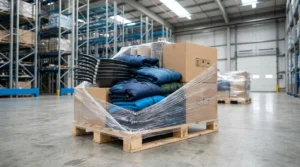
None of that applies to a pallet of gummies, tinctures, vape cartridges, and topicals sitting in a
distribution center. Finished goods are manufactured consumer products with packaging, and
often with hardware. You cannot plow them under. The destruction has to address the product,
the packaging, and in some formats the electronics and batteries as three separate problems.
Anyone who tells you the farm disposal options cover your finished inventory has not read the
rule they are quoting.
When Product Tests Above the Federal Limit
Hemp is defined federally by a threshold of no more than 0.3 percent delta-9 THC on a dry
weight basis. Material above that line is not hemp under federal law, and handling it may require
a party authorized under the Controlled Substances Act, such as a DEA-registered reverse
distributor.
The practical guidance here is simple and important. Do not consolidate or ship product across
state lines while you are still working out its status. Segregate it, secure it, document what you
have, and get a determination before anything moves. Confirm the applicable pathway with your
regulatory counsel, because the answer depends on the product, the test results, and the
jurisdictions involved.
State Rules Vary More Than Federal Rules
State hemp programs differ significantly on what has to happen when product is destroyed.
Some require notification to the state program before disposal. Some require specific records or
a witnessed event. Some restrict individual cannabinoids that remain federally unaddressed,
which means a product that is entirely legal to sell in one state can be contraband in the state
next door.
That variation has a direct operational consequence. Consolidating inventory from several
states into one location for a single destruction run can create a transport problem that did not
exist while the product sat still. In many cases the right answer is to destroy in state, under the
rules that apply where the product is.
Format Drives the Destruction Method
Edibles, Gummies, and Capsules
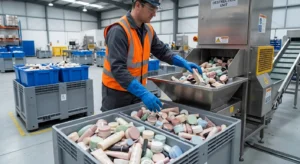
Food-grade organic material inside retail packaging. Industrial depackaging separates the
contents from the containers so each stream is handled appropriately rather than sending
sealed retail units to a landfill.
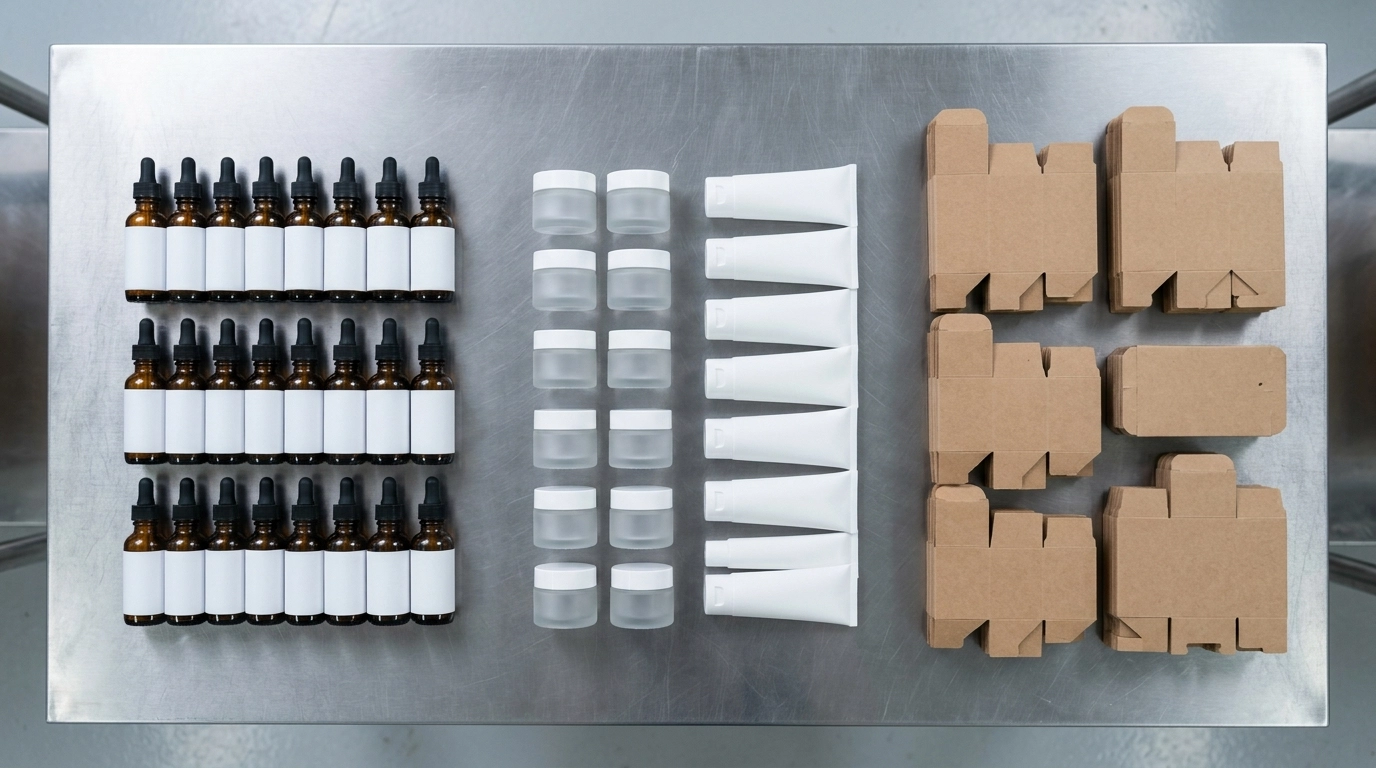
Tinctures, Beverages, and Liquids
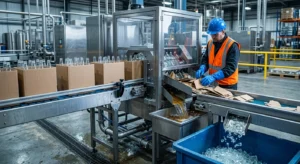
Liquid contents in glass, aluminum, or plastic. Depackaging separates the liquid for appropriate
routing and segregates the container material, while branded labels and caps are destroyed
rather than recovered.
Vape Cartridges and Disposables
The most complicated format in the category. A disposable device contains residual oil, a
heating element, and a lithium battery, and the battery cannot simply go through a shredder with
everything else. These require separate handling and should be flagged to your destruction
provider before pickup rather than discovered at the dock.
Topicals, Balms, and Cosmetics
Creams and balms in jars, tubes, and pumps. The contents and the packaging are separated,
and branded components are destroyed.
Raw Biomass, Distillate, and Isolate
Bulk material without retail packaging. Simpler to process physically, but usually the material
where the legal status question needs to be settled first.
Branded Packaging, Inserts, and Displays
Cartons, labels, QR-coded certificates, and point-of-sale displays should be destroyed rather
than recycled intact. Packaging that carries a brand and a compliance claim is worth something
to whoever finds it.
Documentation to Retain
The destruction record should identify product by SKU and lot code, reference the applicable
certificate of analysis where testing drove the decision, state quantities, and name the method,
date, location, and facility. Retain it alongside your state hemp program records and your
inventory adjustment, because the two are usually reviewed together.
Get CBD and Hemp Inventory Destroyed Properly
At inventorydestruction.com, CBD and hemp finished-goods projects are handled with
depackaging, segregation of product from packaging and hardware, and a Certificate of
Destruction issued as a standard deliverable on every job.
Requirements vary by state and by product status, so confirm what applies to your inventory
before scheduling. Contact our team today to arrange certified destruction with complete
documentation across all 50 states.