A pallet of dog food that failed a Salmonella test, a warehouse full of cat treats past their best-by date, or a silo of feed that tested high for aflatoxin all have the same problem. The product cannot be sold, and it cannot be allowed to drift back into the supply chain. Pet food destruction is how manufacturers, co-packers, distributors, and retailers close that loop with proof.
This guide covers when pet food and animal feed need to be destroyed rather than simply thrown out, which disposal outlets are acceptable, and what documentation you need for regulators, insurers, and your own write-off.
Why Pet Food Destruction Needs to Be Controlled
In the United States, pet food and animal feed are regulated by the FDA under the Federal Food, Drug, and Cosmetic Act, with additional oversight from state feed control officials. Animal food manufacturers are also covered by the FSMA Preventive Controls for Animal Food rule in 21 CFR Part 507. That means a hazard found in animal food is treated as a food safety issue, not just a quality complaint.
When product is pulled for safety reasons, the bigger risk is not the cost of disposal. It is the product ending up somewhere it should not, such as:
- Salvage and discount channels that resell it to consumers
- Farms or feed operations that use it as low-cost livestock feed
- Online marketplaces where branded bags reappear months later
- Dumpsters behind the distribution center where anyone can take it
Any of those outcomes can turn a contained problem into a second recall, a regulatory finding, or a brand story nobody wants to read.
Common Reasons Pet Food and Feed Are Destroyed
Recalls and Market Withdrawals
Pet food recalls are commonly linked to microbial contamination such as Salmonella and Listeria monocytogenes, mycotoxins such as aflatoxin, nutrient errors such as excess vitamin D, and foreign material. The FDA publishes animal food recalls and withdrawals, and recalling firms are expected to account for recovered product. A recalled product destruction program gives you that accounting.
Expired and Short-Dated Inventory
Treats, canned food, and kibble that pass their dates, or get too close to them for retail acceptance, often cannot be sold through normal channels. Many brands choose destruction over liquidation so that stale product does not reach consumers under their name. See our expired product destruction service for how short-dated stock is handled.
Damaged and Rejected Loads
Torn bags, crushed cans, pest activity, water damage, and temperature failures on frozen or raw diets all create unsellable product. Retailers and distribution centers also reject loads that arrive damaged or outside specification. These loads need to move quickly, because damaged pet food attracts pests and can create sanitation problems in the warehouse.
Formula Changes and Packaging Errors
A change in recipe, a mislabeled ingredient panel, or an outdated guaranteed analysis can leave thousands of bags that are perfectly safe but cannot legally be sold as labeled. Branded packaging that is destroyed along with the product keeps it out of gray markets.
Acceptable Destruction and Disposal Outlets
The right outlet depends on the product, the reason it was pulled, and the packaging. Our certified partner facilities typically use one or more of the following.
Depackaging and Organics Recovery
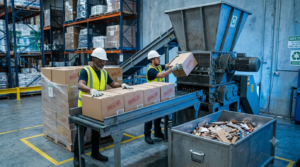
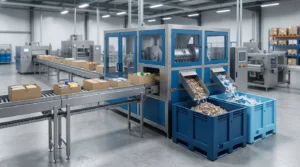
Dry and wet pet food can often be separated from bags, cans, and pouches using industrial depackaging equipment. The food fraction can then go to anaerobic digestion or composting where the facility accepts it, and packaging goes to recycling or disposal. This is often the most sustainable route for large volumes. Learn more on our organic waste destruction page.
Waste-to-Energy
For product that is contaminated, heavily packaged, or not accepted by organics facilities, waste-to-energy converts it to power while making sure it is completely destroyed.
Landfill With Verification
Some loads end up in landfill. When that happens, the important step is witnessed or documented disposal so the product is actually buried and not salvaged from the tipping floor.
What to Avoid
Recalled or contaminated pet food should not be diverted to animal feed, donated, or sold for salvage. Even when a product was withdrawn for a labeling issue rather than a safety issue, check with your recall coordinator or regulatory team before choosing any outlet that puts the product back in use.
Packaging and Brand Protection
Pet food packaging carries strong branding, lot codes, and UPCs. Empty or partially full bags pulled from a dumpster can be refilled or resold. Destruction should cover the packaging as well as the food: shredding bags, crushing cans, and destroying pouches so the branded material cannot be reused. Our packaging material destruction service covers labels, bags, and printed film on their own if a packaging run is being retired.
Documentation You Need
For recalls, insurance claims, and inventory write-offs, the destruction record matters as much as the destruction itself. A complete file usually includes:
- A Certificate of Destruction listing the product, SKUs, lot numbers, and quantities
- Bills of lading and pickup records showing chain of custody from your dock to the facility
- Scale tickets or pallet counts that reconcile with your inventory records
- The destruction method, date, and facility
- Photos or video of the destruction when your recall plan, customer, or insurer asks for it
If the destruction is part of a recall, keep these records with your recall file. Regulators may ask how much product was recovered and what happened to it.
How the Process Works
- Send us photos of the product, packaging, and pallet configuration, along with an approximate pallet count or weight.
- We confirm the right outlet with our certified partner facilities and send a quote that separates pickup and transport from destruction fees.
- We schedule pickup from your warehouse, plant, or 3PL, with sealed trailers where needed.
- The product is destroyed at the partner facility, and you receive your Certificate of Destruction and supporting records.
You can read more about each step on our how it works page.
Frequently Asked Questions
Can recalled pet food be used as livestock feed?
Recalled or contaminated pet food should not be redirected to livestock or any other animal feed use. The hazard that triggered the recall can affect other animals, and diverting the product undermines the recall. Destruction through organics recovery, waste-to-energy, or verified landfill is the safer path.
Is a Certificate of Destruction required for pet food?
There is no single federal form, but a detailed certificate is the standard proof that the product was destroyed. Retailers, insurers, auditors, and recall coordinators routinely ask for one, and it supports your inventory write-off.
Can you handle raw and frozen pet food?
Yes. Raw and frozen diets need faster pickup and, in some cases, refrigerated transport. Tell us the product type and current storage condition when you request a quote so we can match the right truck and facility.
How much does pet food destruction cost?
Cost depends on volume, packaging, location, and the outlet the facility uses. Quotes typically combine a pickup and transport fee with a per-pallet or per-pound destruction fee. Our guide to inventory destruction cost explains the main factors.
Related Reading
For the FDA’s current list of animal food recalls, see the FDA Animal and Veterinary Recalls and Withdrawals page.
Get a Quote for Pet Food Destruction
Whether you have a few pallets of expired treats or a full recall across multiple warehouses, we coordinate pickup, destruction at certified partner facilities, and documentation that stands up to review. Contact our team with photos and a pallet count, and we will get back to you with a quote.