Fragrance is one of the hardest product categories to get rid of. Perfumes, colognes, body mists, and scented sprays are mostly alcohol, they come in glass bottles that do not shred like cardboard, and they carry brand names that sell well on gray markets. Perfume destruction has to deal with all three problems at once: flammable liquid, mixed packaging, and brand protection.
This guide explains why fragrance needs special handling, how destruction usually works, and what you should ask before you ship a load.
Why Perfume Is Not Ordinary Trash
Most fine fragrances are made with a high percentage of ethanol. That makes them flammable, and when a business decides to discard unsold fragrance, the waste can meet the definition of an ignitable hazardous waste under federal rules. Retailers, distributors, and brands that discard fragrance in volume generally need to evaluate it under the hazardous waste rules rather than tossing it in a compactor.
The EPA’s hazardous waste generator guidance explains how a business determines whether its waste is hazardous and what its generator category means. State rules can be stricter than federal rules, especially in California.
The practical takeaway: fragrance destruction is usually handled by facilities that are permitted to accept flammable liquids, not by a general landfill or shredding company.
Common Reasons Fragrance Is Destroyed
- Discontinued scents and seasonal gift sets that will not sell through
- Testers, samples, and vials that cannot legally be sold
- Product damaged in transit, with leaking or broken bottles
- Formulation problems such as discoloration, separation, or off odors
- Counterfeit fragrance recovered through enforcement
- Licensed fragrance that must be destroyed when a license expires
How Perfume Destruction Works
1. Review the product and paperwork
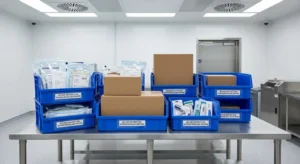
The facility needs to know what is in the bottles. Safety data sheets for the formulas, plus counts by SKU and bottle size, let the facility profile the waste and confirm it can accept it. Photos of the load help confirm packaging and pallet condition.
2. Packaging and transport
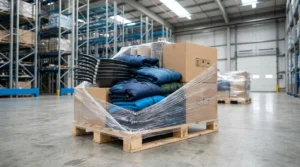
Fragrance is typically shipped boxed and palletized. Larger quantities of flammable liquids may need to move as regulated hazardous materials with proper labeling and shipping papers, so the pickup is planned around those requirements.
3. Depackaging and liquid recovery
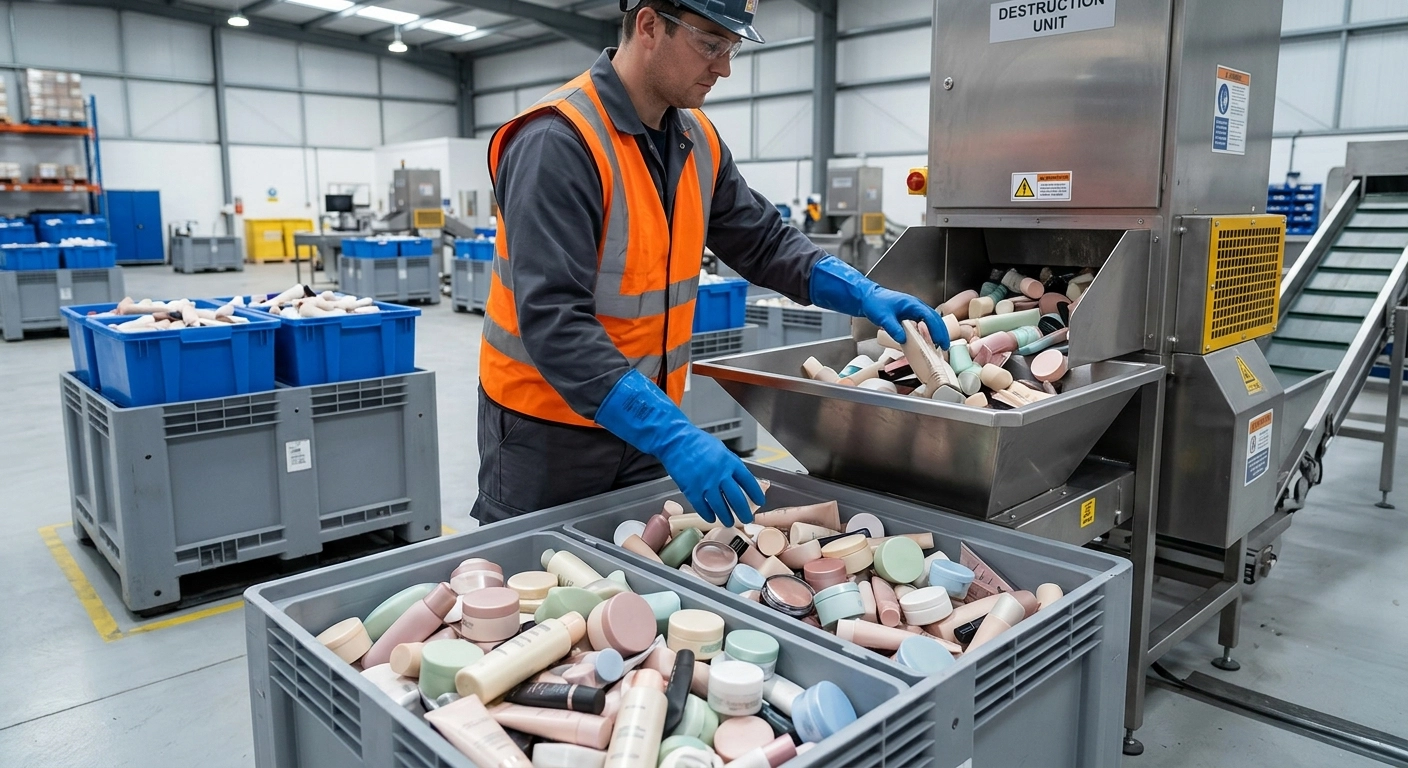
At the facility, bottles are crushed or depackaged so the liquid can be separated from glass, metal pumps, caps, and cartons. Recovered alcohol-based liquid is often sent to fuel blending, where it is used as an energy source, or to other permitted treatment.
4. Packaging recycling
Once separated, glass, cardboard, and some plastics can be recycled. Pumps and caps with mixed materials usually go to disposal.
5. Certificate of Destruction
The facility documents the quantities and method. You receive a Certificate of Destruction for your records.
Brand Protection Matters as Much as Compliance
Designer fragrance has strong resale value, which makes diversion a real risk. Bottles that leave your control intact can show up on discount sites, in flea markets, or with resellers who claim they are authentic and fresh. That hurts pricing and customer trust, and expired or degraded product creates complaints you will hear about.
To protect your brand:
- Use a chain of custody from pickup to destruction
- Ask for photo or video proof of bottles being crushed
- Make sure boxes with logos are destroyed, not just the bottles
- Keep counts that match your inventory records
Our article on gray market protection covers this in more depth.
Fragrance vs Other Cosmetics
Perfume is only one part of the beauty category. Lotions, creams, and makeup often have different handling needs because they are less flammable but harder to separate from their packaging. If your load mixes fragrance with other cosmetics, tell the destruction partner up front so the material can be sorted correctly. Our guide to cosmetic product destruction covers those items.
What Drives the Cost
Fragrance destruction usually costs more per pound than general consumer goods because of the flammable liquid handling. The main factors are:
- Total volume and the number of pallets
- Bottle size and packaging type
- Whether the load ships as a regulated hazardous material
- Distance to a facility that accepts flammable liquids
- Any witnessing or extra documentation required
Send photos, SKU counts, and safety data sheets and you will get an accurate quote faster.
Frequently Asked Questions
Can we pour unsold perfume down the drain?
No. Discharging flammable liquids to a drain can violate local sewer rules and create a fire risk. Use a permitted facility.
Are perfume testers treated differently?
Testers follow the same rules as full-size bottles. They are often destroyed together with discontinued stock.
Can the glass bottles be recycled?
Usually yes, once the liquid has been removed. Recycling rates depend on the facility and the bottle design.
Do you destroy celebrity and licensed fragrance?
Yes. Licensed product is common, and destruction records can be shared with the licensor if the contract requires it.
Related Reading
Get a Quote for Perfume Destruction
We coordinate pickup, destruction at certified partner facilities permitted for flammable liquids, and the documentation your compliance and brand teams need. See our cosmetic and fragrance destruction services or send photos and counts to get started.