Every footwear brand ends up with pairs it cannot sell. Discontinued colorways, factory seconds, returns with damage, samples, and whole lots that missed their season all pile up in the warehouse. Footwear destruction is the controlled way to take those shoes out of circulation so they never show up on discount sites, flea markets, or online marketplaces under your brand name.
This guide covers when destruction makes sense for shoes, how pairs are made unwearable, what can be recycled along the way, and what documentation you should keep.
Why Brands Choose Footwear Destruction Over Liquidation
Liquidation recovers a little cash, but it also hands control of your product to someone else. Once a pallet of shoes is sold to a jobber, you no longer decide where those pairs are sold, at what price, or in what condition. For many footwear brands that loss of control costs more than the liquidation check is worth.
The most common reasons brands choose footwear destruction include:
- Protecting full-price sell-through from heavily discounted pairs appearing online
- Defective pairs with sole separation, glue failures, or sizing errors that would generate complaints
- Counterfeit or unauthorized product seized or recovered from the market
- Licensed product that must be destroyed when a license ends
- Samples, prototypes, and wear-test pairs that were never meant for sale
- Returns that cannot be verified as new and safe to resell
What Can Go Wrong When Shoes Are Simply Thrown Away
Tossing unsold shoes into a dumpster is not destruction. Intact pairs in a trash container are easy to recover and resell, and branded shoes are among the most frequently diverted items from commercial waste. When those pairs resurface, customers may try to return them to your stores, file warranty claims, or post reviews about defects in product you never intended to sell.
Proper destruction makes each pair physically unusable before it leaves your control, and it creates a record you can point to if a pair ever turns up.
How Footwear Destruction Works
The process is straightforward when it is planned well:
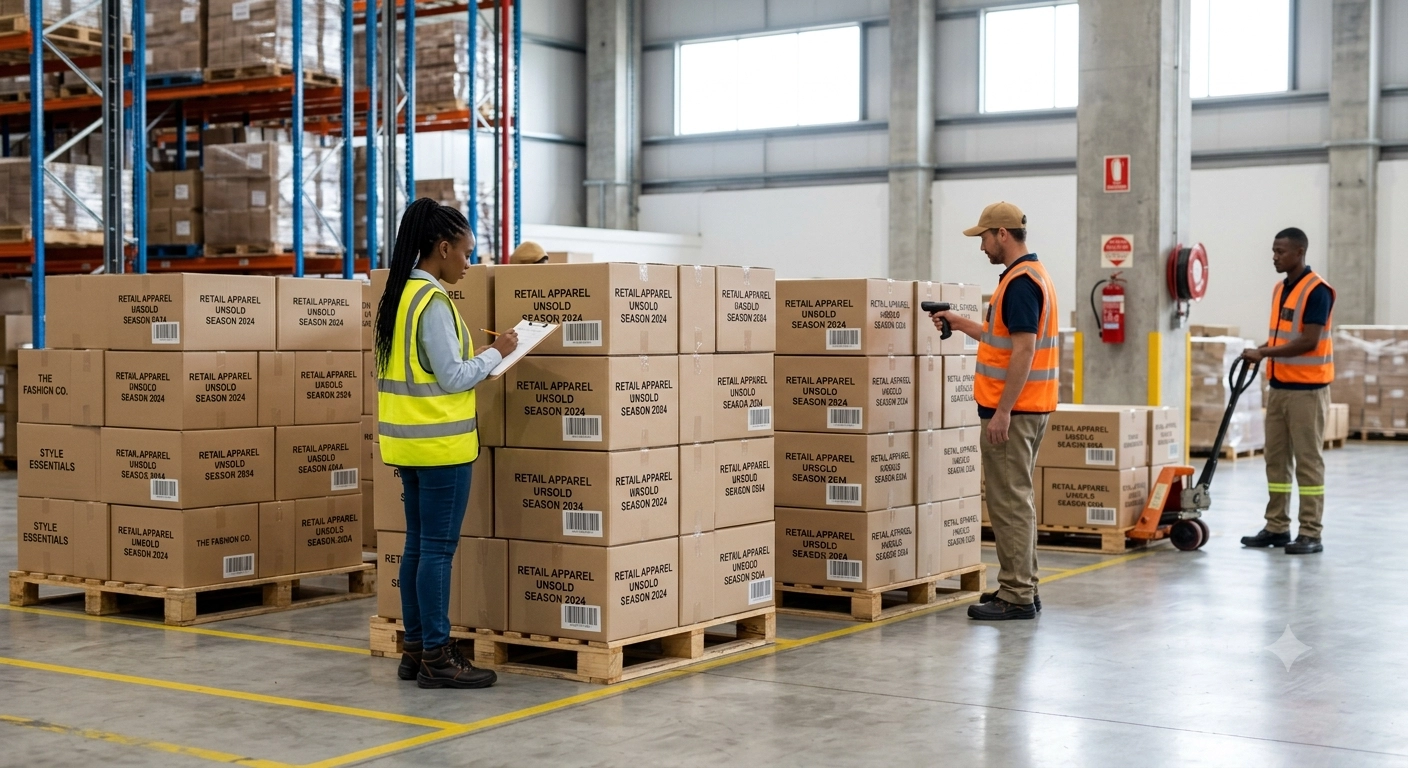
- Inventory and photos. You share a count by SKU or pallet, the materials involved, and photos of the load. Photos are the fastest way to get an accurate quote.
- Pickup. Shoes are collected from your warehouse, 3PL, or retail distribution center in sealed trailers or boxed on pallets.
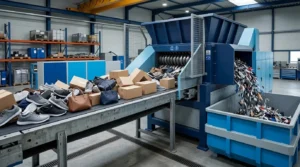
- Destruction. At certified partner facilities, pairs are shredded or otherwise rendered unwearable. Shredding separates uppers from soles and makes reassembly impossible.
- Downstream handling. Shredded material goes to recycling, waste-to-energy, or landfill depending on the materials and what the facility can process.
- Documentation. You receive a Certificate of Destruction that ties the destroyed quantity back to your inventory records.
Can shoes be recycled instead of landfilled?
Often, at least in part. Footwear is hard to recycle because one shoe can combine rubber, foam, leather, textiles, adhesives, and metal eyelets. Shredded footwear is commonly used as material for playground surfaces, athletic tracks, and padding, and some facilities can recover energy from what cannot be recycled. The right route depends on the mix of materials and your sustainability goals, so it is worth asking about recycling options when you request a quote.
According to the EPA’s data on textiles and footwear, most of this material still ends up in landfills, which is why many brands now ask for diversion reporting along with destruction.
Footwear Types That Need Extra Care
Most shoes can go through standard shredding, but a few categories need a closer look before pickup:
- Shoes with electronics. Light-up children’s shoes and smart insoles contain batteries that must be removed or handled separately.
- Safety footwear. Steel and composite toe caps can damage some shredders, so facilities may need to process these on dedicated equipment.
- Leather goods. Full-grain leather is valuable on secondary markets, which makes physical defacement especially important.
- Licensed and branded product. Destruction may need to be witnessed or photographed to satisfy a licensor.
If you are not sure which category your lot falls into, include clear photos of the shoes and any tags when you reach out.
Footwear Destruction for Counterfeit and Seized Product
Brands that recover counterfeit shoes through enforcement actions, marketplace takedowns, or customs seizures need those pairs destroyed in a way that holds up if the case is challenged. Counterfeits should be destroyed in full, with counts that match the seizure or settlement paperwork. Our guide on counterfeit goods destruction covers that process in more detail.
What Documentation You Should Keep
Good records protect you with auditors, licensors, and tax advisors. For each destruction job, keep:
- The pickup bill of lading or manifest
- The inventory list by SKU, size run, and quantity
- Photos or video of the load before and during destruction
- The Certificate of Destruction with date, method, and quantities
- Any recycling or diversion report from the facility
Many companies use these records to support an inventory write-off. Our article on inventory write-off documentation explains what accountants usually ask for. We are not tax advisors, so confirm the treatment with your own accountant.
How Much Does Footwear Destruction Cost?
Pricing usually has two parts: a pickup and transport fee, and a destruction fee charged per pallet or per pound. Shoes are bulky but relatively light, so a full trailer of boxed footwear often weighs less than you expect. The biggest cost drivers are distance to the destruction facility, whether shoes are boxed or loose, whether witnessed destruction is required, and whether recycling is requested. See our breakdown of inventory destruction cost for more detail.
Frequently Asked Questions
Do we have to remove shoes from their boxes before destruction?
No. Boxed shoes can usually be shredded as they are. Some facilities prefer loose pairs for recycling, so ask before you spend labor unboxing anything.
Can we watch the destruction?
Yes. Witnessed destruction can be arranged in person or by live video, and photo or video documentation can be added to the certificate.
Is it better to donate unsold shoes?
Donation works for some brands, but donated pairs can still end up on resale markets. Defective, counterfeit, or recalled shoes should never be donated.
How fast can a pickup be scheduled?
Most pickups are scheduled within a few business days once photos, counts, and the pickup address are confirmed.
Related Reading
Get a Quote for Footwear Destruction
Whether you have a few pallets of samples or a full warehouse of discontinued styles, we coordinate pickup, destruction at certified partner facilities, and the paperwork you need. Learn more about our apparel and footwear destruction services or send us photos and counts for a quote.