Frozen food has no margin for error. A failed reefer unit, a freezer outage at a cold storage warehouse, a delayed trailer at a busy dock, or a rejected delivery can turn a full load of frozen product into unsellable inventory within hours. Once the cold chain is broken, the product usually cannot go back into the market, and it starts to become a sanitation problem very quickly. Frozen food destruction is about moving fast, documenting the loss properly, and making sure thawed product never ends up back in commerce.
Common Causes of Frozen Food Losses
- Reefer unit failures or fuel outages during transit
- Temperature excursions found in reefer download data at delivery
- Power outages or equipment failures in freezers and cold storage
- Loads rejected by a receiver for temperature, damage, or paperwork issues
- Recalls of frozen products for contamination or undeclared allergens
- Long dwell times at ports or crossings for imported frozen product
Why Thawed Product Has to Be Destroyed
Once frozen product has thawed and been held above safe temperatures, refreezing it does not make it safe or saleable. The receiver, the shipper, and the insurer all need confidence that the product was removed from the food supply. Federal rules on the sanitary transportation of food set expectations for temperature control during shipping; the FDA’s sanitary transportation rule explains those requirements for shippers, carriers, and receivers.
Thawed meat, seafood, and prepared foods also break down fast. Every hour of delay adds odor, leakage, and pest risk at the dock, which can create problems with your facility’s own food safety program.
First Steps When a Frozen Load Fails
- Do not discard anything yet. Keep the product together until it is documented.
- Download the temperature data. Reefer and data logger records are the most important evidence for a claim.
- Photograph everything. Take photos of the trailer, pallets, labels, lot codes, and the thermometer or logger readouts.
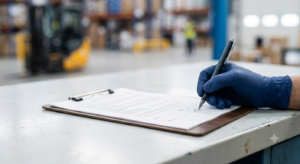
- Record counts by SKU and lot. These numbers should match the bill of lading.
- Notify the carrier and your insurer. Many cargo policies require notice before disposal.
- Get destruction scheduled quickly. Once the claim documentation is complete, thawed product should leave the dock as soon as possible.
How Frozen Food Destruction Works
Pickup
Thawed loads are often picked up in the same trailer or transferred to a sealed trailer to contain leaks and odors. For partial loads, pallets can be wrapped and moved by box truck.
Depackaging
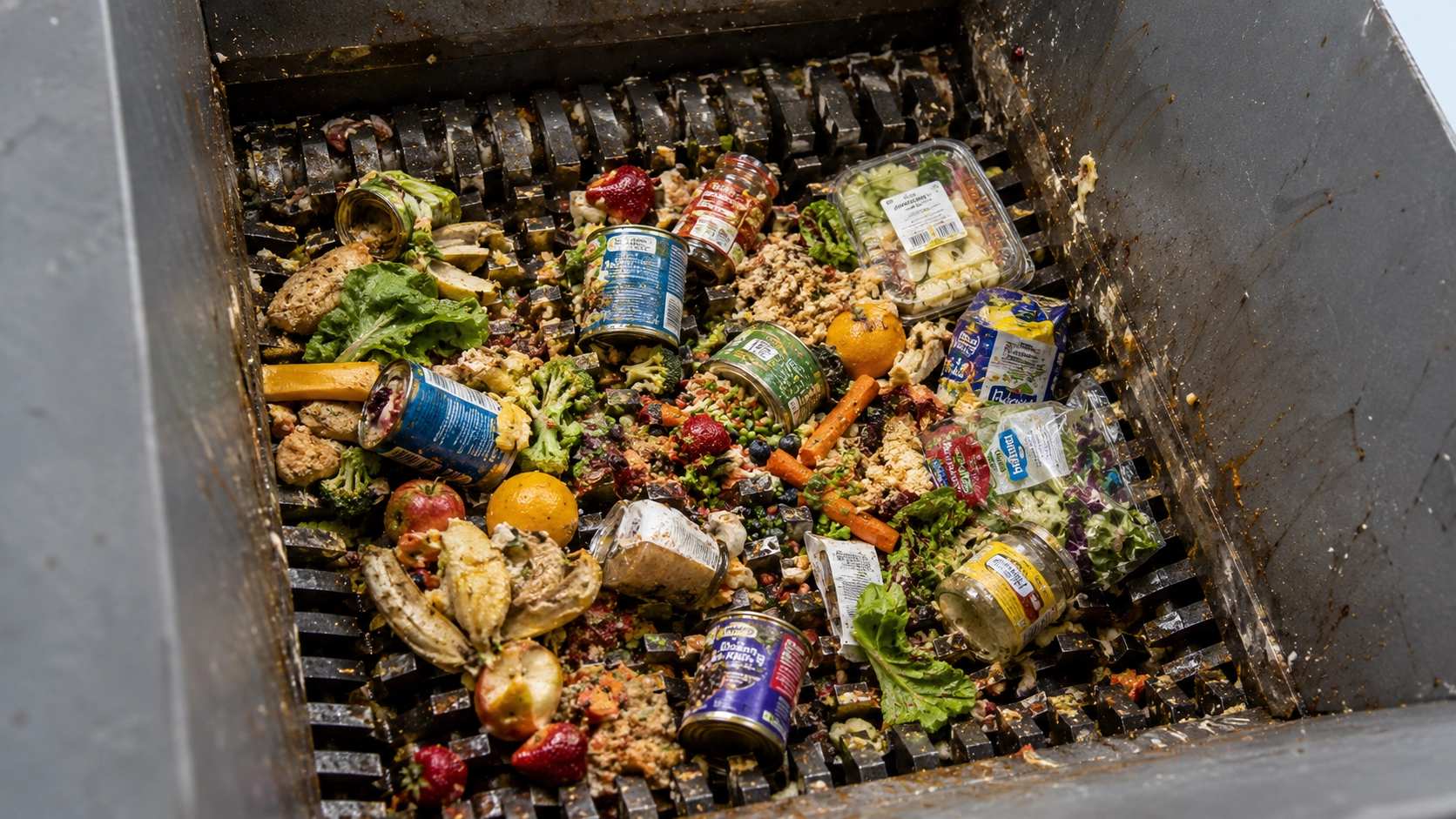
At certified partner facilities, food is separated from its packaging. Depackaging lines handle boxes, trays, film, and bags so that the organic material can be processed separately.
Diversion or disposal
Depending on the product and the facility, food waste may go to anaerobic digestion, composting, rendering, or landfill. Some food is eligible for animal feed, but meat and products that may be contaminated generally are not. The right route depends on the product, local regulations, and your sustainability goals.
Documentation
You receive a Certificate of Destruction showing the date, quantities, and method. Carriers and insurers commonly ask for this certificate to close a cargo claim.
Supporting a Cargo Claim
A clean destruction record makes claims easier. Insurers and carriers usually want the bill of lading, temperature data, photos, the delivery rejection notice, and the destruction certificate. Some ask for witnessed destruction or photo proof that the product was destroyed, especially for high-value seafood and meat. Plan for this before the load leaves your dock.
Our guide on the rejected load removal process covers what carriers and brokers should do when a receiver refuses a shipment.
Frozen Food Recalls
When frozen product is recalled, destruction has to account for every case pulled from distribution centers and stores. The process is similar, but recall destruction records should tie back to lot codes listed in the recall notice. Our post on food recall destruction covers that process.
What Drives the Cost
- Number of pallets and total weight
- Whether the product has already thawed and is leaking
- Packaging type, which affects depackaging time
- Distance to a facility that accepts food waste
- Special requirements such as witnessing or video proof
Frequently Asked Questions
Can thawed food be donated?
No. Product that lost temperature control should not be donated. Food banks generally will not accept it.
How quickly can thawed product be picked up?
For urgent loads, pickups can often be arranged within one to two business days once photos and counts are confirmed.
Will the destruction certificate be accepted by my insurer?
Insurers commonly accept certificates that list quantities, dates, and method. Check your policy for any specific requirements.
Can packaging be recycled?
Cardboard and some plastics can be recycled after depackaging if they are not heavily contaminated.
Related Reading
Get a Quote for Frozen Food Destruction
We coordinate fast pickup, destruction at certified partner facilities, and documentation that supports your claim. Learn about our food product destruction services or send photos and counts for a quote.